
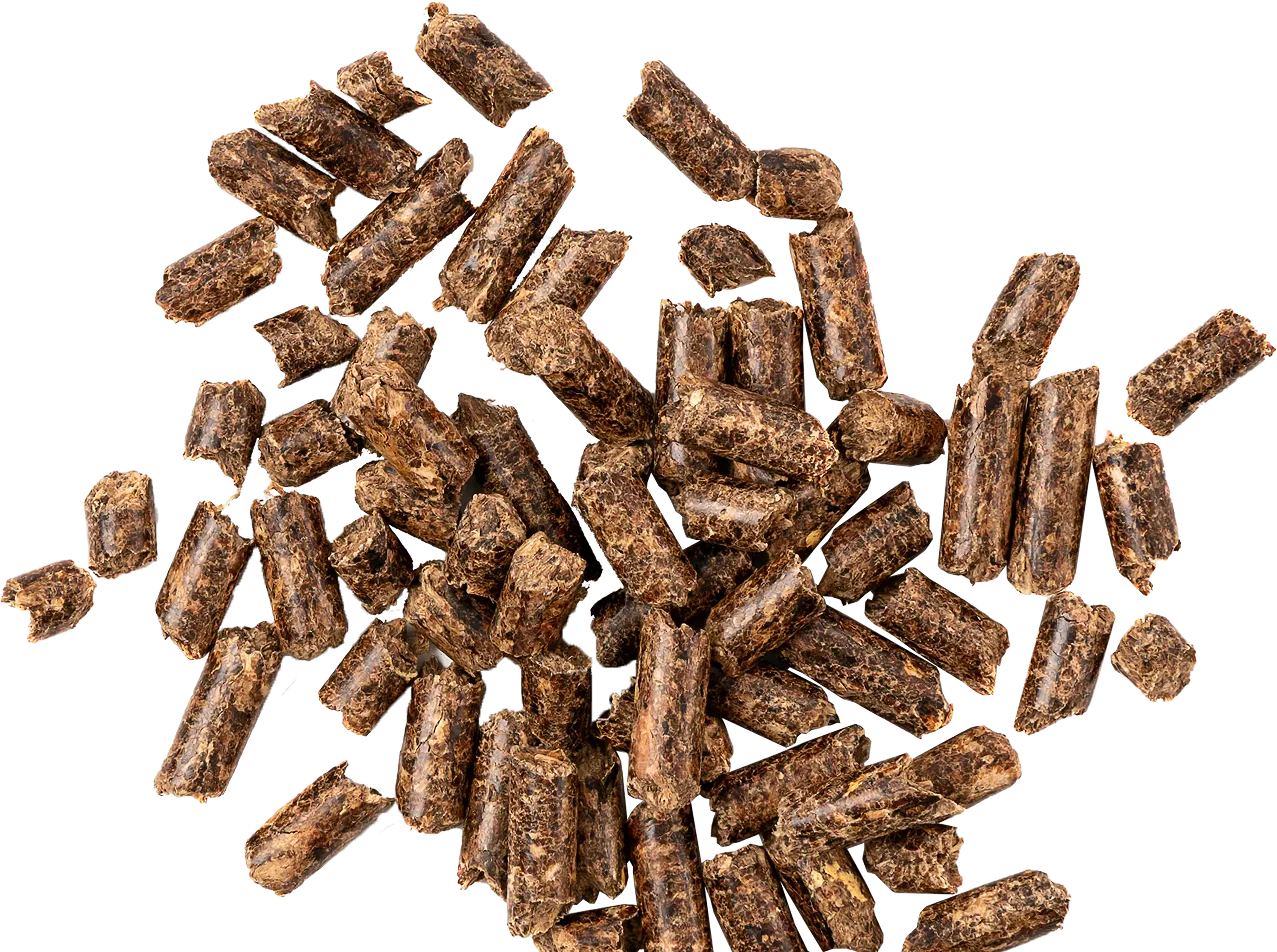
Pellet grills have made cooking easier, but they’ve also made a lot of people stop thinking about the fuel.
The assumption is simple. Set the temperature, shut the lid, and the grill does the rest. When something doesn’t feel right, the first reaction is usually to question the cooker.
What we see over time is that the issue often starts with the pellets.
There’s a pattern that shows up with customers.
They’ll have a few good cooks, then things start to shift. Temperatures don’t hold the same. The smoke has a heavier edge early in the cook. Ash builds up quicker, especially when the grill runs for longer.
Nothing completely fails, but it stops feeling predictable.
That’s usually the point where people start paying attention to what they’re actually burning.
Most pellets are sold on flavour, but that’s not where the difference is.
The bigger difference is in how they burn.
Pellet grills rely on a controlled feed system. The auger delivers fuel at a steady rate, and the fire pot depends on that fuel behaving consistently. If the pellet varies, the grill spends its time correcting instead of holding.
That shows up as small temperature swings, inconsistent smoke, and more clean-up than expected.
Moisture plays a role in that.
All hardwood contains moisture, but in pellet form it needs to be controlled tightly. When it’s too high, the pellet has to drive that off before it properly combusts. That’s where the heavier smoke tends to come from early in a cook.
When moisture is stable, ignition is cleaner and the burn settles faster.
Ash is the other side of it.
Pellet grills rely on airflow through a small fire pot. The cleaner the burn, the less interference there is in that space. When pellets leave more residue behind, it starts to affect how the fire behaves over time.
You don’t always notice it straight away, but over longer cooks it becomes obvious.
There’s also a misunderstanding around what pellets actually are.
Most people assume the label tells the whole story. If it says apple, it’s apple. In practice, most pellets are built on a base wood, commonly oak, with flavour woods blended in.
That base wood is what gives the pellet structure. Oak is dense, burns steady, and provides consistent heat in a pellet system. The flavour wood then shapes the smoke profile without having to carry the entire burn.
Once you understand that, pellet choice becomes less about chasing flavour names and more about how the fuel behaves in your grill.
Bear Mountain follows that same approach.
Their pellets are produced in the United States, using hardwood supply that is established and consistent. The production side of it is built around controlled moisture, uniform pellet sizing, and stable burn characteristics.
They are not a grill manufacturer, and they’re not tied to a single cooker brand. Their pellets are used across pellet grills commonly found in Australian backyards and commercial setups, because they’re designed for that type of system.
That independence matters. You’re not locked into a brand. You’re choosing a fuel that works.
In Australia, one of the bigger challenges has been consistency of supply.
Customers find a pellet that works, then struggle to get the same result again. Different batches, changing availability, or products dropping out altogether.
That breaks the repeatability that pellet cooking relies on.
BBQAroma stocks Bear Mountain for that reason.
Not because it’s the only option, but because it’s one that behaves consistently from one bag to the next. That allows cooks to get a result and repeat it without adjusting everything else around it.
That’s where most of the value sits.
There’s also a lot of noise around pellets.
Price, brand names, and opinions online tend to drive decisions. Some of it is based on limited experience, and some of it comes from brands trying to hold customers inside their own systems.
Pellet grills don’t work that way.
The fuel should match the system, not the logo.
For most people, the simplest way to judge a pellet is still the same.
Run it through your grill across a few cooks.
Watch how it holds temperature.
Pay attention to the smoke early in the cook.
Look at how much ash is left behind.
If it runs clean and stays consistent, you’ve found something you can work with.
That’s what most pellet grill users are actually looking for.
Not just flavour, but something they can rely on every time they cook.