

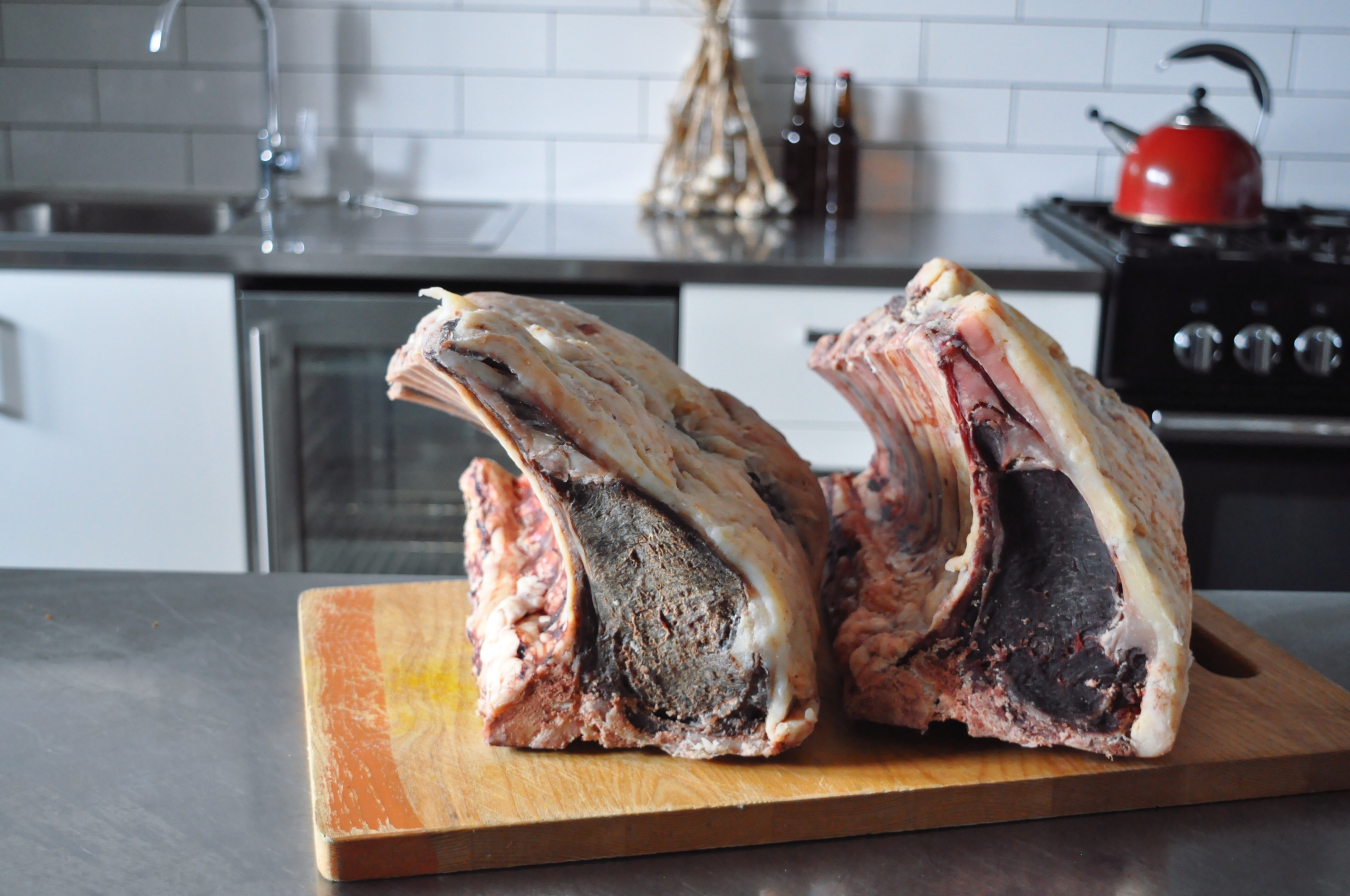
One thing we see with barbecue customers is that the better they get at cooking meat, the more they start thinking about the meat before it reaches the barbecue.
At the start, most people buy a few steaks, a brisket, some ribs or a leg of lamb and focus on getting the cook right. That makes sense. There is enough to learn just managing heat, timing, smoke, seasoning and rest.
After a while, the questions change. People start asking why one piece of beef eats better than another, why dry-aged steaks cost more, why some pork cuts suit curing, or why traditional salami takes weeks instead of days.
That is usually when ageing and curing start to make sense.
Dry ageing is not just storing meat for longer. It needs the right temperature, humidity and airflow so the meat can lose moisture safely while natural enzymes improve tenderness and flavour. That is why larger beef cuts like striploin, rib eye and sirloin are usually better suited than single steaks. There has to be enough meat left after trimming.
The timing depends on the result you want. Around 14 days starts to show change. Around 28 days is a common balance of tenderness, flavour and yield. Longer ageing brings stronger flavour, more moisture loss and more trimming. At some point it becomes personal taste, not better or worse.
Lamb and venison can also be aged, but they need more care. A leg of lamb or larger loin section can develop a deeper flavour before it reaches the barbecue, but smaller cuts do not give you the same margin for trim loss as beef. Venison can benefit from ageing because it often needs help with tenderness and balance.
Pork usually takes people in another direction. It is less about dry ageing and more about curing. A pork belly can become pancetta or bacon. A pork neck can become coppa. Trim can become sausage. From there, people start looking at salami, chorizo, cabanossi, kabanosy and other dried or cured sausages.
That is where the cabinet becomes more than a dry-age fridge.
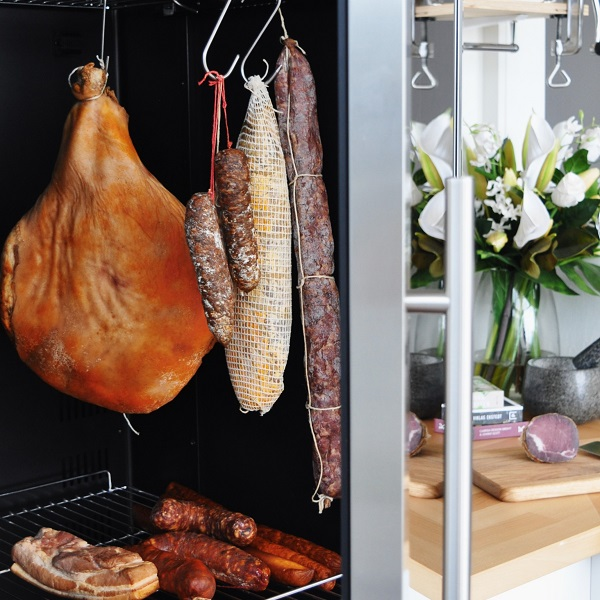
Salami is not just dried sausage. It often needs fermentation first, where starter culture works with sugar to lower pH before drying begins. Curing salts do not stop that process. They do a different job, helping with safety, colour and long curing. Whole muscle cures like coppa and pancetta rely more on salt, time, airflow and controlled drying.
Australia makes all this harder than the old European stories make it sound. A lot of traditional ageing and curing came from places with cool cellars, seasonal weather and conditions that helped the process along. Most Australian homes do not have that.
Heat, humidity and insects are real problems here. Flies are not just annoying around hanging meat. They are a contamination risk, and if they get access to exposed meat the project can be ruined.
That is the practical reason for using a Cleaver cabinet. It gives the meat a controlled and protected space while you manage temperature, humidity and airflow. It does not replace hygiene or proper curing knowledge, but it removes a lot of the risk that comes from trying to copy old methods in the wrong conditions.
The bigger change is how people start buying meat. A striploin becomes something you can age and cut over time. A pork belly becomes bacon or pancetta. A pork neck becomes coppa. Trim becomes sausage instead of waste.
That suits the way many barbecue people develop. They start by wanting a better cook, then they want better control over the meat itself.
BBQAroma stocks Cleaver Dry Age and Salumi Cabinets for that reason. They suit people who are ready to go past buying individual cuts and start understanding what time, salt, air and temperature can do before the meat reaches the barbecue.